 By dungtien
 Tonsil Stones: Why Those Foul-Smelling Lumps Appear and How to Get Rid of Them
Have you ever noticed small, white, or yellowish lumps at the back of your throat or on your tonsils, often accompanied by an unpleasant odor? These mysterious formations can be concerning, but they are a common condition known as tonsil stones or tonsilloliths. While seemingly alarming, understanding their causes, symptoms, and remedies can help you manage them effectively.
What Exactly Are Tonsil Stones?
Tonsil stones are small, hard, calcified masses that develop in the crypts – the natural crevices and pockets – of your tonsils. They are essentially a collection of trapped debris, including:
- Dead cells
- Food particles
- Saliva
- Bacteria
Over time, these materials harden into solid lumps, varying in size from tiny specks to larger formations that can cause discomfort.
The Source of the Foul Odor
The notorious bad breath (halitosis) associated with tonsil stones comes from the bacteria within them. These bacteria feed on the trapped organic matter, releasing sulfur compounds as they break down the substances. It’s these sulfur compounds that are responsible for the distinct, unpleasant smell.
Why Do Tonsil Stones Form?
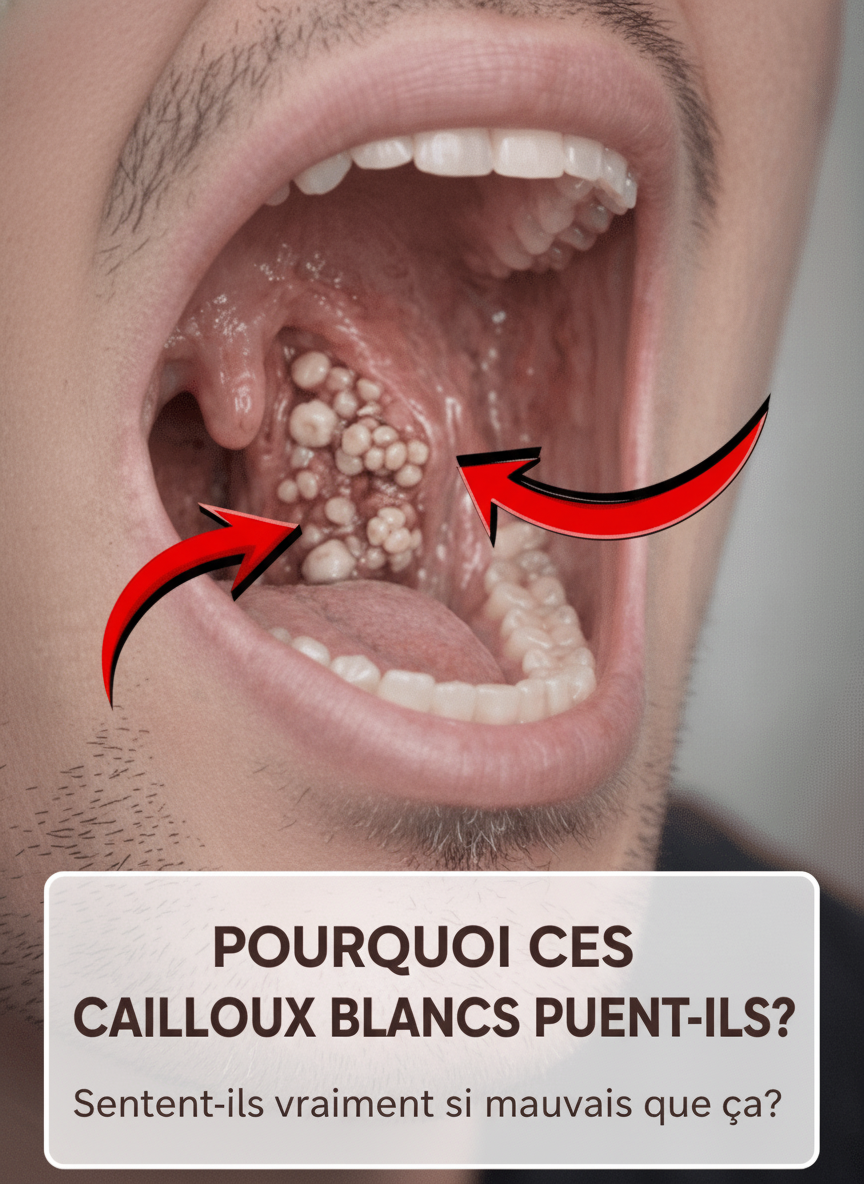
Tonsil stones develop when debris accumulates and gets trapped in the tonsillar crypts. Several factors can contribute to their formation:
- Large or Deep Tonsil Crypts: Some individuals naturally have more pronounced or deeper tonsil crypts, providing ample space for debris, bacteria, and food particles to become lodged and accumulate.
- Chronic Tonsillitis: Frequent tonsil infections or ongoing inflammation can lead to more grooves and crevices in the tonsils, making them more susceptible to debris accumulation.
- Poor Oral Hygiene: Inadequate brushing and flossing allow food particles and bacteria to build up in the mouth. These can migrate to the tonsils, contributing to stone formation.
- Dry Mouth: Saliva plays a crucial role in washing away food particles and bacteria. Insufficient saliva production (dry mouth) means debris is less likely to be cleared, increasing the risk of tonsil stones.
Common Symptoms of Tonsil Stones
While often harmless, tonsil stones can manifest through various noticeable symptoms:
- Persistent Bad Breath (Halitosis): This is the most common symptom, caused by the sulfur compounds released by bacteria.
- Sore Throat: Stones can irritate the throat, leading to a scratchy sensation or discomfort, especially if they are large or cause inflammation.
- Difficulty Swallowing: Larger tonsil stones can create a feeling of fullness or pain in the throat, making swallowing uncomfortable.
- Ear Pain: Due to shared nerve pathways between the throat and ears, tonsil stones can sometimes cause referred pain in the ears.
- Visible White or Yellowish Lumps: A direct inspection in a mirror with a light source may reveal small white or yellowish lumps on your tonsils.
Prevention and Treatment Strategies
Tonsil stones are generally manageable with proper care. Here are effective strategies for prevention and treatment:
- Maintain Excellent Oral Hygiene: Brush your teeth and tongue thoroughly at least twice daily, and floss regularly. This removes food particles and bacteria before they can contribute to stone formation. Consider using an antibacterial mouthwash to reduce oral bacteria.
- Gargle with Salt Water: Warm salt water gargles can help dislodge tonsil stones, reduce inflammation, and soothe a sore throat. The saline solution helps flush out trapped debris.
- Stay Well-Hydrated: Drinking plenty of water keeps your mouth moist, preventing dry mouth and ensuring food particles are less likely to get trapped in tonsil crypts.
- Utilize a Water Flosser: An oral irrigator can be effective for gently flushing out food particles and bacteria from your tonsil crypts. Direct the water stream carefully towards your tonsils.
- Gentle Manual Removal (with Caution): For visible and easily accessible stones, some individuals gently dislodge them using a clean finger, cotton swab, or a specialized tonsil stone remover. Always exercise extreme caution to avoid injury or infection. If stones are persistent or difficult to remove, consult a healthcare professional.
- Seek Professional Advice: If tonsil stones are large, painful, frequently recurring, or cause significant discomfort, consult a doctor or ENT specialist. They can offer professional removal, discuss underlying causes, or recommend more advanced treatments if necessary.