 By dungtien
 Are You Overlooking This Simple Chayote Habit After 60?
That familiar stiffness in your lower back or legs, the slight discomfort when standing up, or the feeling that everyday movements aren’t as effortless as they once were. If you’re over 60, these moments can feel all too common, sometimes even a little embarrassing. While these changes are often attributed to aging, many people overlook simple dietary habits that can quietly support their body’s comfort and vitality.
By the end of this article, you’ll understand why a humble vegetable, a staple in traditional kitchens for generations, is now gaining renewed attention from nutrition experts and older adults alike.
Why Chayote is Gaining Renewed Attention Among Older Adults
Chayote isn’t a new superfood or a trendy import. It’s a quiet hero from the squash family, cherished in traditional cooking for its subtle versatility. What’s intriguing now is how modern nutrition science is highlighting its “gentle nutritional profile” as particularly beneficial for aging bodies.
This unassuming vegetable offers a blend of nutrients often needed more as we age:
- Fiber: Essential for supporting normal digestion and gut health.
- Vitamin C: Contributes to a healthy immune system.
- Potassium: Key for maintaining normal muscle and nerve function.
- Antioxidants: Help protect cells from daily environmental stress.
Beyond these, research consistently points to vegetables rich in fiber and antioxidants for their role in overall metabolic balance and healthy circulation. Chayote also stands out for being exceptionally low in calories and naturally low in fat, making it easy to incorporate into daily meals without burdening the digestive system—a significant advantage for older adults whose appetites might fluctuate.
The Age-Friendly Qualities of Chayote
As we age, our bodies process food differently. Heavy or greasy meals can lead to discomfort, and digestion may slow down. This is precisely where light, gentle vegetables like chayote truly shine. Dietitians often recommend it for older adults for several key reasons:
- Gentle on Digestion: High water content combined with fiber helps maintain smooth digestion without any heavy feeling.
- Naturally Mild Flavor: Unlike some strong-tasting vegetables, chayote has a subtle, adaptable flavor that effortlessly blends into a variety of dishes, from soups and smoothies to light stir-fries.
- Effortless Preparation: Forget complicated cooking. Chayote is incredibly easy to prepare—often just sliced and steamed. Its ability to absorb flavors means it pairs beautifully with simple additions like garlic, lemon, olive oil, or fresh herbs, transforming healthy eating into an enjoyable experience, not a restrictive one.
Chayote vs. Other Common Vegetables: A Quick Look
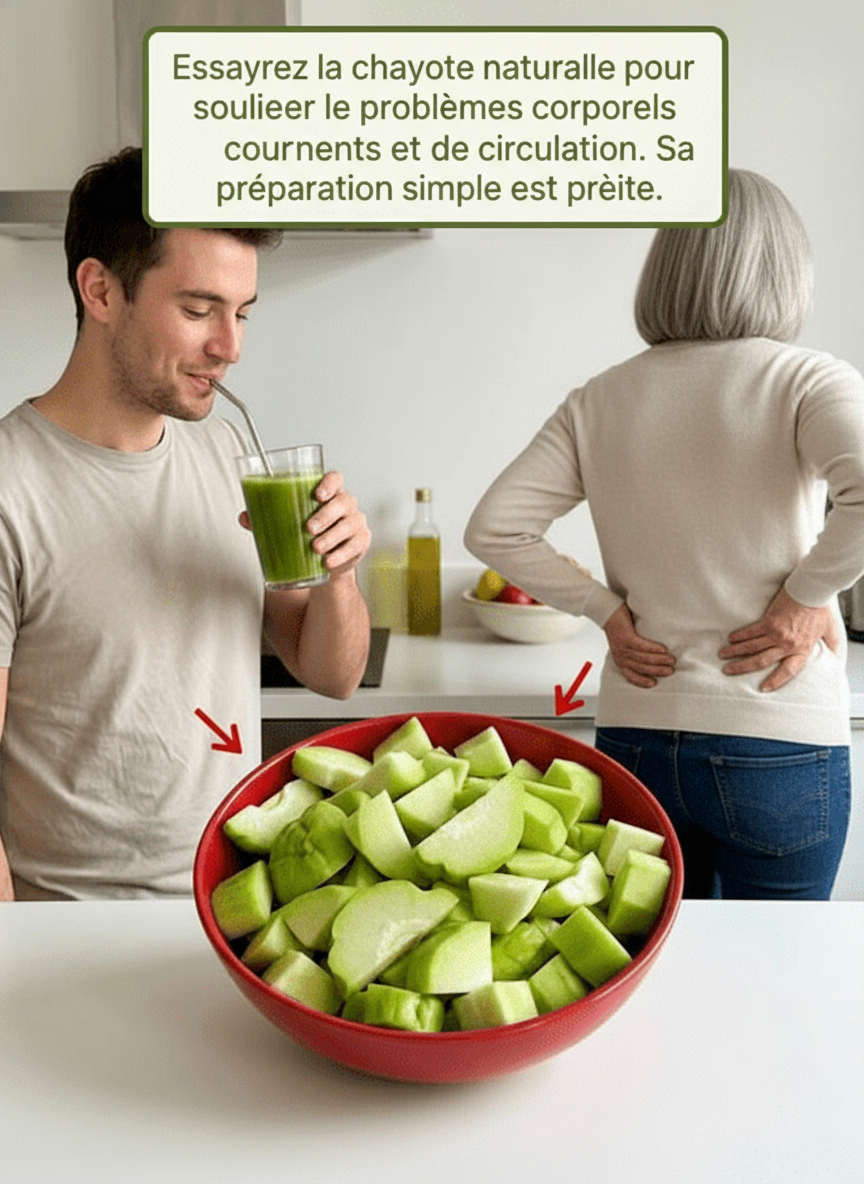
Many wonder if other vegetables like cucumbers or zucchini offer similar benefits. While all vegetables contribute to a healthy diet, chayote holds a unique position. Here’s a simple comparison:
| Vegetable | Texture | Fiber Level | Common Use |
|---|---|---|---|
| Chayote | Soft & Crisp | Moderate | Soups, salads, smoothies |
| Zucchini | Tender | Moderate | Stir-fries, roasting |
| Cucumber | Very Watery | Lower | Salads, raw snacks |
Chayote strikes a perfect balance: it offers more structure than a cucumber but is significantly lighter than many other squash varieties, making it an ideal, easily digestible choice for regular inclusion in an older adult’s diet.
Embracing a Simple Daily Chayote Habit
Incorporating chayote into your diet doesn’t require drastic changes. Many simply add a small portion to one meal a day. The key is consistency, not quantity. Here are some effortless ideas:
- Morning Boost: Blend a small piece of chayote with cucumber, apple, and water. A squeeze of lemon adds freshness.
- Light Lunch: Slice chayote thinly, steam for five minutes, then drizzle with olive oil and a pinch of garlic.
- Hearty Dinner: Cube chayote and add it to your favorite vegetable soups, perhaps alongside carrots and leafy greens.
Remember, integrating a small portion several times a week is often more sustainable and beneficial than attempting sudden, large dietary overhauls.
Enhancing Wellbeing: Chayote & Complementary Habits
While nutrition is fundamental, holistic wellbeing comes from combining healthy eating with other positive lifestyle choices. Chayote-rich meals pair wonderfully with these simple habits:
- Stay hydrated by drinking enough water throughout the day.
- Keep your circulation active with short, daily walks.
- Minimize the consumption of ultra-processed foods.
By embracing these small, consistent efforts, you can significantly enhance your comfort, mobility, and overall quality of life after 60.
”
}
“`