 By dungtien
 As we navigate life beyond 50, our skin often tells a new story. Among the many changes, the appearance of white spots can be particularly unsettling. Ranging from tiny specks to noticeable patches, these depigmented areas can emerge anywhere on the body.
While some white spots are benign, others can be silent indicators of underlying health conditions that warrant attention. This article delves into 8 common causes of white spots on the skin, why they tend to become more prevalent with age, and effective natural remedies that may help restore your skin’s natural balance.
1. Vitiligo: When Your Immune System Targets Skin Pigment
Vitiligo is a chronic autoimmune condition where the body’s immune system mistakenly attacks and destroys melanocytes—the cells responsible for producing skin pigment. This leads to distinct patches of depigmentation, appearing as white spots.
Why It Happens:
- Autoimmune Response: The immune system’s misdirected attack on melanocytes results in often symmetrical white patches.
- Genetic Predisposition: A family history of vitiligo can increase your risk.
Natural Fixes:
- Aloe Vera: Known for its healing and anti-inflammatory properties, aloe vera may aid in restoring pigmentation and soothing affected skin.
- Turmeric: Some research suggests turmeric can support melanin production, potentially assisting in repigmentation of vitiligo patches.
2. Tinea Versicolor (Fungal Infection)
Also known as pityriasis versicolor, this common fungal infection manifests as small, light-colored or white spots on the skin, typically on the chest, back, and arms. It may cause mild itching or no symptoms at all.
Why It Happens:
- Yeast Overgrowth: The naturally occurring Malassezia yeast on the skin grows excessively, especially in oily areas, leading to discoloration.
- Humidity & Sweating: Hot, humid environments create ideal conditions for fungal proliferation.
Natural Fixes:
- Tea Tree Oil: With potent antifungal properties, diluted tea tree oil can be applied to affected areas twice daily to combat the infection.
- Apple Cider Vinegar: Its natural antifungal qualities make apple cider vinegar a useful skin rinse to help control yeast growth.
3. Sun Damage (Hypopigmentation)
Years of sun exposure, particularly after the age of 50, can result in hypopigmentation. This condition causes uneven skin pigmentation, leading to white spots or patches, especially on frequently exposed areas like the face, shoulders, and chest.
Why It Happens:
- UV Damage: Ultraviolet radiation damages the skin’s melanocytes, impairing their ability to produce pigment evenly, leading to white patches over time.
Natural Fixes:
- Vitamin E: Topical application of vitamin E oil can help repair UV-induced damage and promote healing in sun-affected areas.
- Coconut Oil: Rich in antioxidants, coconut oil hydrates and aids in skin repair, potentially diminishing the appearance of sunspots.
4. Pityriasis Alba
Pityriasis alba is a benign skin condition characterized by pale, dry patches, most commonly seen on the face, arms, and neck. While more prevalent in children, adults can also develop it.
Why It Happens:
- Dry Skin: Often linked to dry skin, it can be triggered by environmental factors like cold weather or harsh soaps.
- Eczema Connection: Individuals with a history of eczema or atopic dermatitis are more susceptible to pityriasis alba.
Natural Fixes:
- Regular Moisturizing: Consistent use of a gentle moisturizer helps reduce dryness and irritation.
- Aloe Vera Gel: Its soothing and hydrating properties can help alleviate patches caused by pityriasis alba.
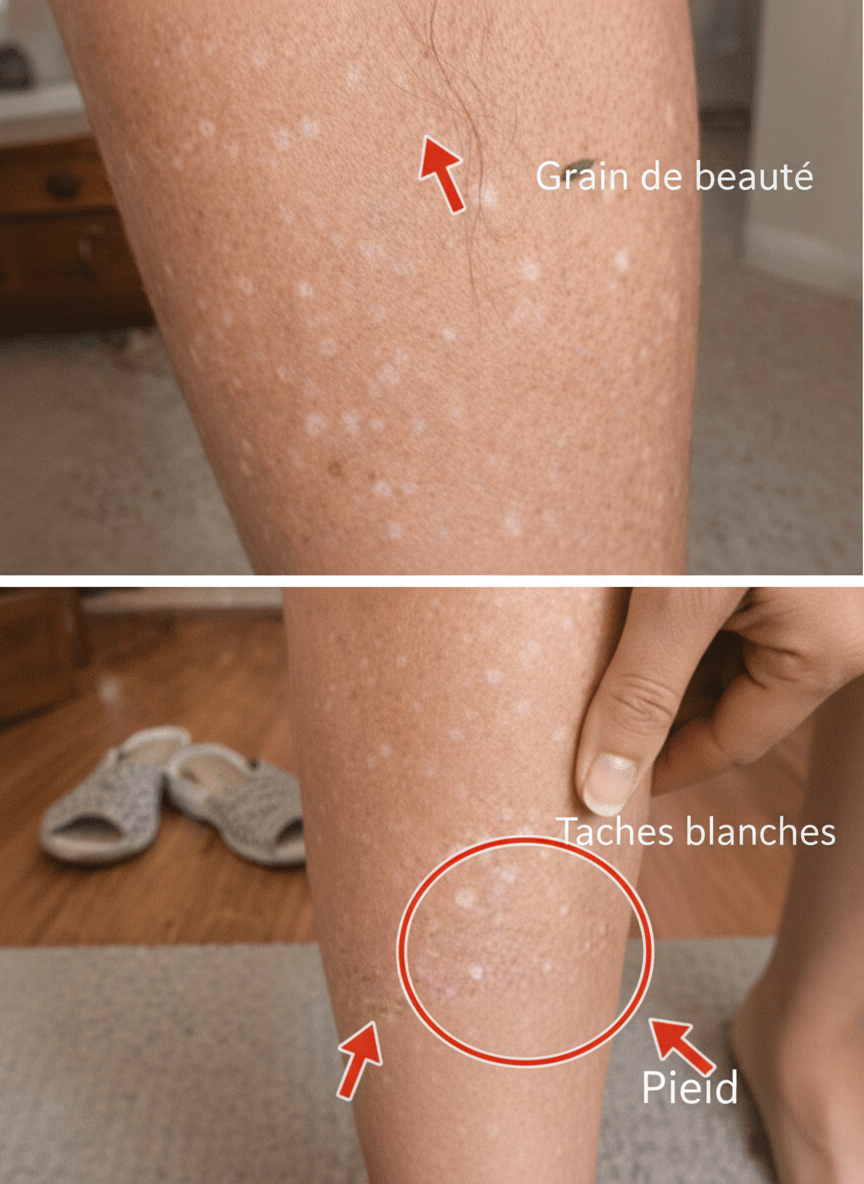
5. Idiopathic Guttate Hypomelanosis (IGH)
These small, flat, white spots, typically 1-3 mm in diameter, often appear on sun-exposed areas like the shins and forearms. IGH is largely considered a normal sign of skin aging.
Why It Happens:
- Aging & Sun Exposure: While the exact cause is unknown, it’s strongly associated with cumulative sun exposure and the natural aging process of skin.
Natural Fixes:
- Sun Protection: Preventing further sun damage is key. Use sunscreen and protective clothing.
- Alpha Hydroxy Acids (AHAs): Products containing AHAs can gently exfoliate and improve skin texture, potentially reducing the appearance of these spots.
6. Chemical Leukoderma
Chemical leukoderma refers to white spots or patches caused by exposure to certain chemicals, which can damage melanocytes. This is often seen in occupational settings.
Why It Happens:
- Chemical Exposure: Contact with specific phenolic compounds, catechols, or other depigmenting agents can destroy melanocytes.
Natural Fixes:
- Avoidance: Identifying and eliminating exposure to the offending chemical is crucial.
- Antioxidant-Rich Diet: Supporting skin health with antioxidants may aid in recovery.
7. Post-Inflammatory Hypopigmentation
This condition occurs after the skin has experienced inflammation or injury, such as from acne, eczema, burns, or other skin trauma. Once the inflammation subsides, the affected area is left with a lighter, white patch.
Why It Happens:
- Melanocyte Dysfunction: Inflammation can temporarily or permanently impair melanocyte function in the affected area, leading to reduced pigment production.
Natural Fixes:
- Gentle Skin Care: Avoiding further irritation and using soothing, restorative products can aid healing.
- Vitamin C Serums: Topical vitamin C can help even out skin tone and promote overall skin health.
8. Nutritional Deficiencies
While less common as a direct cause of distinct white spots, certain nutritional deficiencies, particularly a lack of essential vitamins and minerals, can impact overall skin health and pigmentation.
Why It Happens:
- Vitamin D Deficiency: Some studies suggest a link between low vitamin D levels and conditions like vitiligo.
- Other Micronutrients: Deficiencies in B vitamins, calcium, and zinc can affect skin cell function and repair.
Natural Fixes:
- Balanced Diet: Incorporate a variety of fruits, vegetables, lean proteins, and whole grains.
- Supplementation: Consult a healthcare professional about appropriate vitamin D, B-complex, zinc, or calcium supplements if a deficiency is confirmed.
If you notice persistent or spreading white spots, especially after 50, it’s always wise to consult a dermatologist. While natural remedies can offer support, professional diagnosis and treatment are essential for underlying conditions.