 By dungtien
 Many older adults often face subtle yet persistent health challenges like digestive discomfort, fluctuating blood sugar, or recurring fatigue. These issues, while common, can quietly impact confidence, energy, and even social engagement. Yet, a simple, time-honored herbal remedy—guava leaf tea—has been cherished in traditional cultures worldwide as a gentle path to wellness. The key, however, lies in consistent and correct use, a practice often discovered later in life.
What is Guava Leaf Tea and Its Traditional Role?
Derived from the leaves of the tropical guava tree, guava leaf tea has been a staple in traditional medicine across Asia, Latin America, and Africa for generations. These leaves are rich in natural plant compounds, including powerful antioxidants, polyphenols, and flavonoids. While not a medicine, this tea is best viewed as a traditional wellness beverage that can complement a healthy lifestyle. Its appeal for older adults stems from its potential to support digestion, metabolism, and overall comfort, especially after meals.
Key Nutritional Compounds in Guava Leaves:
- Polyphenols: Potent plant-based antioxidants.
- Flavonoids: Compounds that help protect cells from oxidative stress.
- Vitamin C: Present in small amounts.
- Natural Antimicrobial Compounds: Plant-based elements.
- Fiber-related Plant Structures: Contributing to overall plant benefits.
These plant-based antioxidants are particularly noted for their role in neutralizing oxidative stress, a natural process linked to aging and various lifestyle factors, making herbal teas a popular choice among older populations.
17 Gentle Wellness Benefits of Guava Leaf Tea
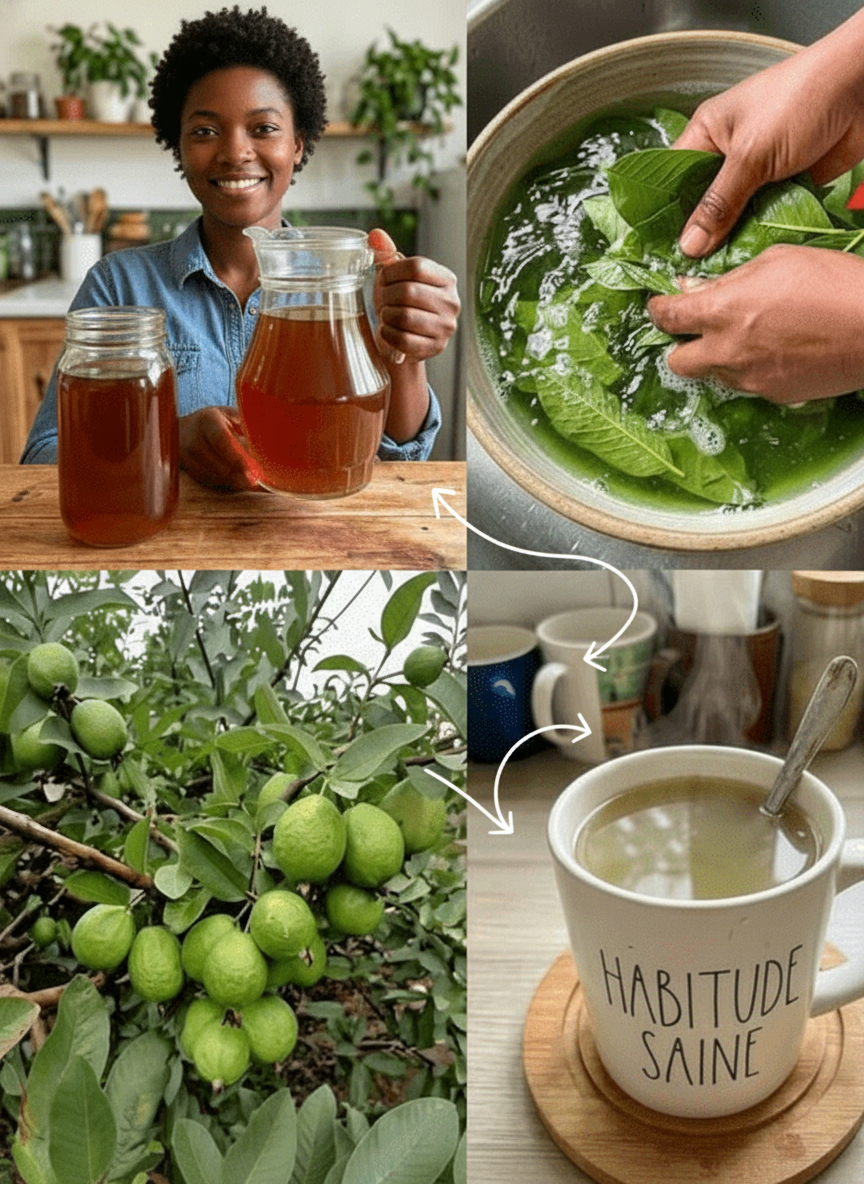
Incorporating guava leaf tea into your weekly routine, perhaps twice a week, can offer a range of traditional wellness benefits:
- Supports Digestive Comfort: May aid in maintaining ease after meals, especially heavy ones.
- Aids Blood Sugar Balance: Research suggests certain compounds may support healthy carbohydrate metabolism.
- Reduces Occasional Bloating: Warm herbal infusions can help relax the digestive system.
- Promotes Oral Freshness: Traditionally used in some cultures as a natural mouth rinse.
- Provides Natural Antioxidants: Supports overall cellular protection against daily environmental stress.
- Assists Weight Management: A low-calorie herbal alternative to sugary drinks.
- Encourages Heart-Friendly Choices: Some plant compounds may support normal cholesterol balance when part of a healthy diet.
- Boosts Hydration: A pleasant way to increase fluid intake, particularly for seniors.
- Supports Immune Wellness: Plant antioxidants contribute to general immune system function.
- Enhances Skin Appearance: Hydration and antioxidants can help maintain healthy-looking skin.
- Fosters Calm Evening Routines: The warmth of tea often promotes relaxation before bedtime.
- Caffeine-Free Alternative: A great replacement for caffeinated beverages.
- Supports Gut Microbiome: Certain plant compounds may contribute to a balanced gut flora.
- Encourages Healthy Habits: Choosing herbal tea often replaces less healthy processed drinks.
- Offers Mild Detox Support: Naturally aids hydration and normal bodily cleansing processes.
- Cultivates Metabolism Awareness: Often consumed after meals as part of mindful eating.
- Upholds Traditional Wellness: Simple cultural habits often prove to be the most sustainable.
Remember, the full spectrum of benefits is realized through consistent and balanced consumption, not excessive intake.
Guava Fruit vs. Guava Leaf Tea: A Comparison
While both come from the same plant, guava fruit and its leaves offer distinct benefits:
| Feature | Guava Fruit | Guava Leaf Tea |
|---|---|---|
| Main Nutrients | Fiber and Vitamin C | Plant antioxidants |
| Taste | Sweet tropical fruit | Mild herbal |