 By dungtien
 Ever wonder why some people seem to maintain a dazzling smile without constant expensive treatments? You look in the mirror and notice those familiar yellowish spots near your gums, a dullness that wasn’t there before. It might not hurt, but you know your smile isn’t quite as vibrant. Many adults, particularly those over 45, experience this common issue.
Over time, even with daily brushing, bacterial plaque can accumulate and harden into tartar (also known as calculus). This leads to the inevitable question: Is there a simple, at-home method to help improve the appearance of your teeth?
The internet is full of quick fixes, some too good to be true. While no home remedy can replace professional dental cleaning, certain natural ingredients have been studied for their potential to gently clean tooth surfaces and support oral hygiene. They can act as valuable complements to your daily routine. And one of the most talked-about methods uses ingredients you likely already have in your kitchen.
Understanding Tartar: The Root of the Problem
Tartar doesn’t appear overnight. It all starts with invisible bacterial plaque. After eating, bacteria and food debris form a sticky film on your teeth. If not removed properly, this plaque can harden over time, transforming into tartar. Tartar often accumulates near the gum line and can lead to:
- Yellow or brown stains
- Persistent bad breath
- Gum irritation
- A rough sensation on your teeth
Here’s the crucial point: Once plaque mineralizes into hardened tartar, removing it completely at home becomes incredibly difficult. That’s why dentists use specialized tools during professional cleanings. However, while hardened tartar requires professional attention, certain habits and natural ingredients can help reduce plaque buildup and improve the overall look of your teeth.
Natural Ingredients That Can Support Dental Cleaning
Before considering complex solutions, many oral hygiene experts recommend starting with the basics. Several natural ingredients have been explored for their potential to gently clean tooth surfaces. Among the most commonly mentioned are:
- Baking Soda: A mild abrasive that can help remove surface stains.
- Coconut Oil: Contains lauric acid, studied for its antimicrobial properties.
- Fine Sea Salt: May act as a mild abrasive and gum stimulant.
- Lemon or Orange Peel: Some suggest rubbing the peel for natural whitening, though caution is advised due to acidity.
- Activated Charcoal: (Occasional use only) Known for its absorption properties, which can help lift surface stains.
Each has different properties, but a simple combination has gained significant popularity for its ease of use. You might be surprised by its simplicity.
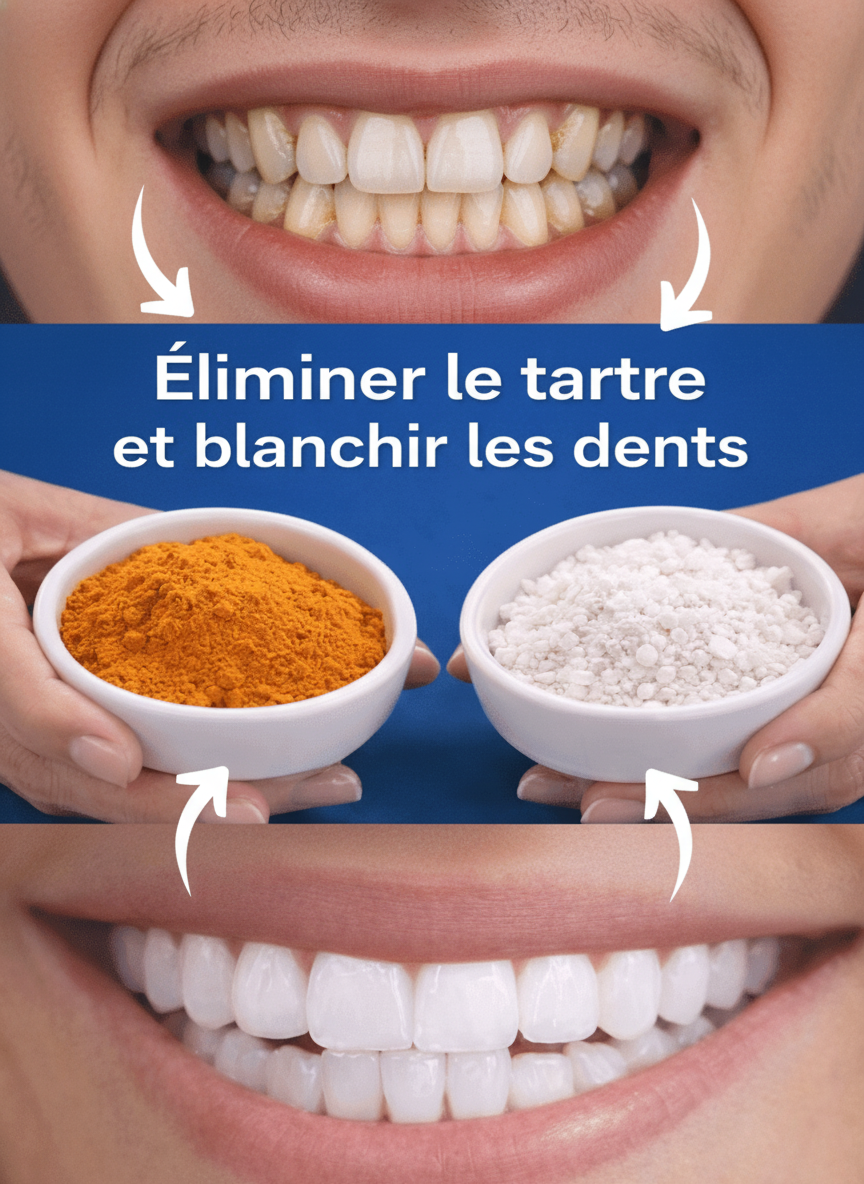
The Popular Homemade Blend: Baking Soda & Coconut Oil
One of the most discussed combinations involves just two common ingredients: baking soda and coconut oil. Why this particular blend?
- Baking Soda: Its slightly abrasive texture can help polish away superficial stains. Some studies also suggest it can help neutralize acids in the mouth, creating a less hospitable environment for bacteria.
- Coconut Oil: Contains compounds like lauric acid, which has been studied for its potential antimicrobial properties, helping to combat some oral bacteria.
Together, they create a gentle paste that many people use occasionally as a complement to their regular brushing routine. But the way you use this mixture is as important as the ingredients themselves.
How to Use This Simple Mixture
If you decide to try this method as part of your oral hygiene, here’s how many people prepare and use it:
- Mix 1 teaspoon of baking soda.
- Add a few drops of coconut oil until a smooth paste forms.
- Gently brush your teeth with the mixture for about 1 minute.
- Rinse thoroughly with water.
The key here is gentle brushing. Avoid scrubbing forcefully, as this can irritate gums or erode tooth enamel. Also, it’s crucial to remember that this type of mixture should NOT be used daily. Occasional use (e.g., once or twice a week) is generally recommended.
Important Considerations
While natural remedies can offer supportive benefits, they are not substitutes for professional dental care. Regular brushing with fluoride toothpaste, flossing, and scheduled dental check-ups and cleanings are the cornerstones of excellent oral health. Always consult your dentist before incorporating new home remedies into your routine, especially if you have existing dental conditions or sensitivities.