 By dungtien
 Varicose Veins Worsening with Age? Discover Two Kitchen Aids & Essential Habits
Many older adults silently endure the discomfort of varicose veins – heavy legs, visible swollen veins, and a persistent ache after standing. It’s a frustration that can limit daily joys like walking or gardening, often leading to embarrassment. The good news? Alongside healthy habits, certain simple kitchen ingredients may offer supportive benefits for circulation and leg comfort. And before we finish, you’ll learn about a surprisingly easy evening routine many seniors are now adopting.
Why Varicose Veins Become More Common After 50
Varicose veins develop when the one-way valves inside your leg veins weaken, struggling to efficiently pump blood back to the heart. This leads to blood pooling, causing veins to enlarge and become visible beneath the skin. For those over fifty, several factors often contribute:
- Reduced circulation from prolonged sitting.
- Age-related weakening of vein walls.
- Excess weight increasing pressure on leg veins.
- Lack of regular physical activity or walking.
- Genetic predisposition.
Studies suggest nearly one in three adults experiences some degree of vein enlargement with age. Crucially, circulation is heavily influenced by daily habits – diet, hydration, and movement. Small lifestyle adjustments can significantly impact how heavy or tired your legs feel, leading us to an interesting question: Can common kitchen ingredients truly support healthier circulation?
Garlic and Cloves: Traditional Allies for Circulation
Beyond their culinary uses, garlic and cloves have long been valued in traditional diets for their wellness-supporting properties. Garlic contains natural compounds like allicin, believed to support normal blood flow and vascular health. Cloves are rich in antioxidants, including eugenol, which may help support circulation and reduce oxidative stress.
Nutritional research indicates these plant compounds may contribute to:
- Improved blood circulation.
- Reduced inflammation in blood vessels.
- Support for normal cardiovascular function.
Important Note: These ingredients are not a substitute for medical care. They are supportive dietary components that can complement a healthy lifestyle. However, their simple incorporation into a routine is what makes them so appealing.
A Simple Evening Ritual: Garlic and Clove Infusion
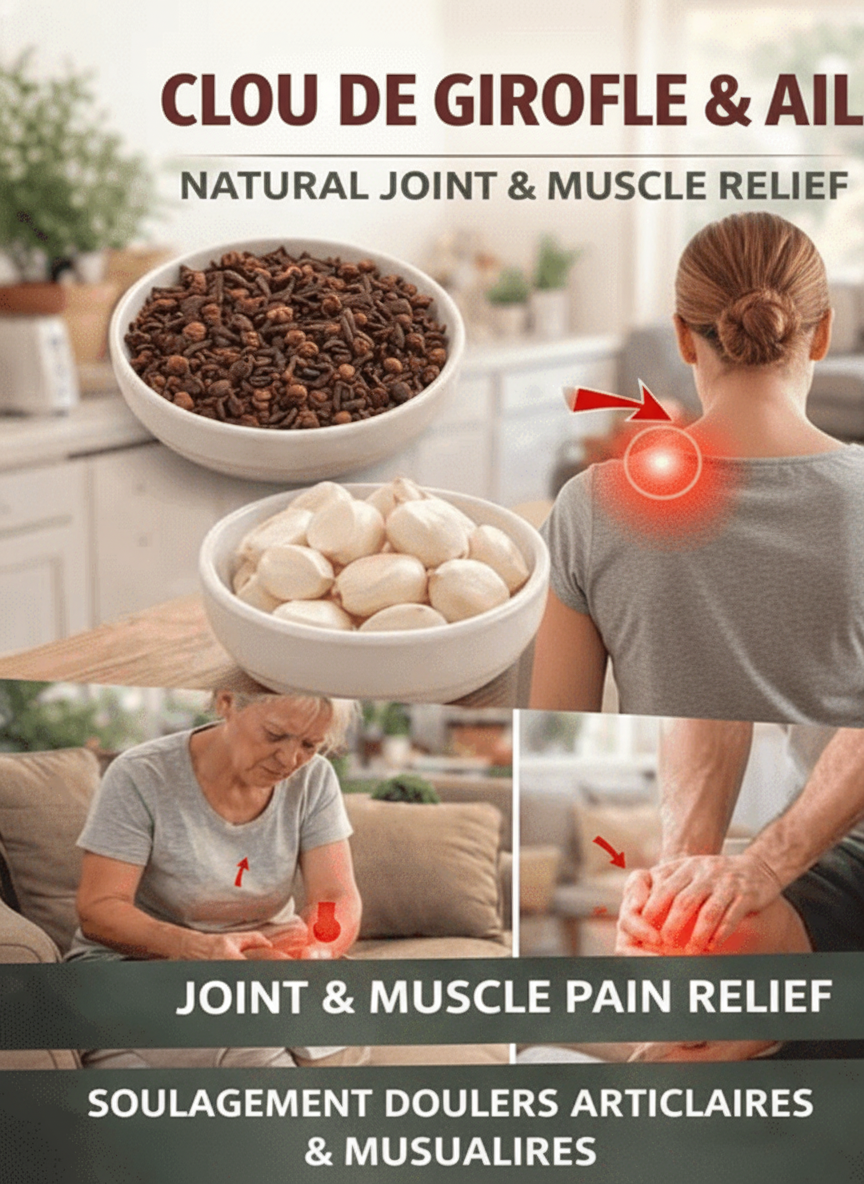
Here’s a gentle routine many older adults integrate into their diet to support circulation and leg comfort:
- Step One: Crush two fresh garlic cloves and let them rest for about five minutes to activate beneficial compounds.
- Step Two: Add three whole clove spices to a cup of hot water.
- Step Three: Place the crushed garlic into the water and let it steep for ten minutes.
- Step Four: Strain and drink while warm, ideally in the evening.
For enhanced flavor, consider adding:
- A slice of lemon.
- A small spoon of honey.
- A pinch of cinnamon.
Many find enjoyment and benefit from this infusion two or three times per week as part of a balanced lifestyle. But remember, circulation is influenced by more than just what you drink.
Essential Habits for Healthier Leg Circulation
Most doctors agree: diet alone rarely transforms circulation if daily habits remain unchanged. The most effective strategies are surprisingly straightforward:
- Walk Daily: Aim for at least twenty minutes of walking each day. Regular movement significantly improves venous blood flow and reduces leg heaviness.
- Elevate Legs: When resting, elevate your legs for fifteen minutes to reduce pressure in the veins.
- Avoid Prolonged Sitting: Take breaks to move around every hour or so.
- Stay Hydrated: Drink plenty of water throughout the day to maintain healthy blood circulation.
- Maintain a Healthy Weight: Excess weight adds pressure to leg veins.
A key takeaway: Even small, consistent movements throughout your day can improve circulation more effectively than one intense workout per week.
When to Consult a Healthcare Professional
While lifestyle adjustments can greatly support general vein health, some symptoms warrant professional medical attention. You should consult a healthcare provider if you experience persistent pain, swelling, skin changes, ulcers, or if your symptoms worsen despite lifestyle changes.
”
}
“`